
Licensing & Ordination · November 17, 2026 · 3 min read
Licensed vs. Ordained Minister: What’s the Difference?
Licensing and ordination are not the same thing. Here is what each one means, who each is for, and how Revive Ministries approaches both.
 Licensing & Ordination✦Licensed vs. Ordained Minister: What’s the Difference?Revive Ministries
If you sense God calling you into ministry, two words come up quickly: licensed and ordained. They are often used as if they mean the same thing. They don’t. Understanding the difference helps you know where you are in your journey and what step to take next.
What is a ministry license?
A ministry license is a formal recognition that a person has a genuine call of God on their life and is actively stepping into ministry. Think of it as a season of commissioning and development. A licensed minister is recognized, covered and accountable, while continuing to grow in character, doctrine and practical ministry experience.
Licensing is often a fit for:
- Youth and young adult leaders
- Worship leaders and ministry team leaders
- Evangelists and outreach leaders who are early in their ministry
- Those preparing for a pastoral or church-planting role
What is ordination?
Ordination is a deeper, more permanent recognition. It says, in effect: this person’s calling has been tested over time, their life bears fruit, and we set them apart for the work of the ministry. In the New Testament, the church recognized leaders through prayer and the laying on of hands.
“As they ministered to the Lord, and fasted, the Holy Ghost said, Separate me Barnabas and Saul for the work whereunto I have called them. And when they had fasted and prayed, and laid their hands on them, they sent them away.” — Acts 13:2–3 (KJV)
Notice the order: the calling came from the Holy Spirit first. The laying on of hands recognized what God had already done. Ordination doesn’t create a calling. It confirms and releases one.
The real difference: time, fruit and responsibility
- Licensing recognizes a calling and opens a season of growth and accountability.
- Ordination recognizes a proven calling and carries greater responsibility and authority.
Both should come with covering: real relationship with spiritual leadership who will pray for you, speak into your life and hold you accountable.
How Revive Ministries approaches it
At Revive, licensing and ordination are not a certificate you print off. They are relational. Our application asks about your walk with God, your church life, your family, your prayer life and your sense of calling, because those are the things that sustain a minister for the long haul. Praying in tongues is a requirement for ordination at any level with Revive Ministries, and every licensed and ordained minister completes a standard background check.
A practical note: if you plan to officiate weddings or perform other legal ceremonies, requirements vary by state and county, so always check with your local officials.
Next step
Ready to take the next step?
Complete the Application for Ordination and Ministry License and someone from our team will follow up with you.
Start Your ApplicationFrequently asked questions
Is a licensed minister the same as an ordained minister?
No. A ministry license is typically an earlier, probationary recognition of a calling, while ordination is a fuller, longer-term recognition of a minister’s calling, character and readiness to lead.
Can I apply for licensing or ordination with Revive Ministries?
Yes. Revive Ministries accepts applications for both through its online Application for Ordination and Ministry License.
Revive Ministries
Founded in 1998 by Bishop Brad Reynolds, Revive Ministries is a Christ-centered non-profit bringing awakening and revival to the nations and equipping leaders.
Keep reading
 Licensing & Ordination✦How to Become an Ordained Minister with Revive MinistriesRevive Ministries
Licensing & Ordination
How to Become an Ordained Minister with Revive Ministries
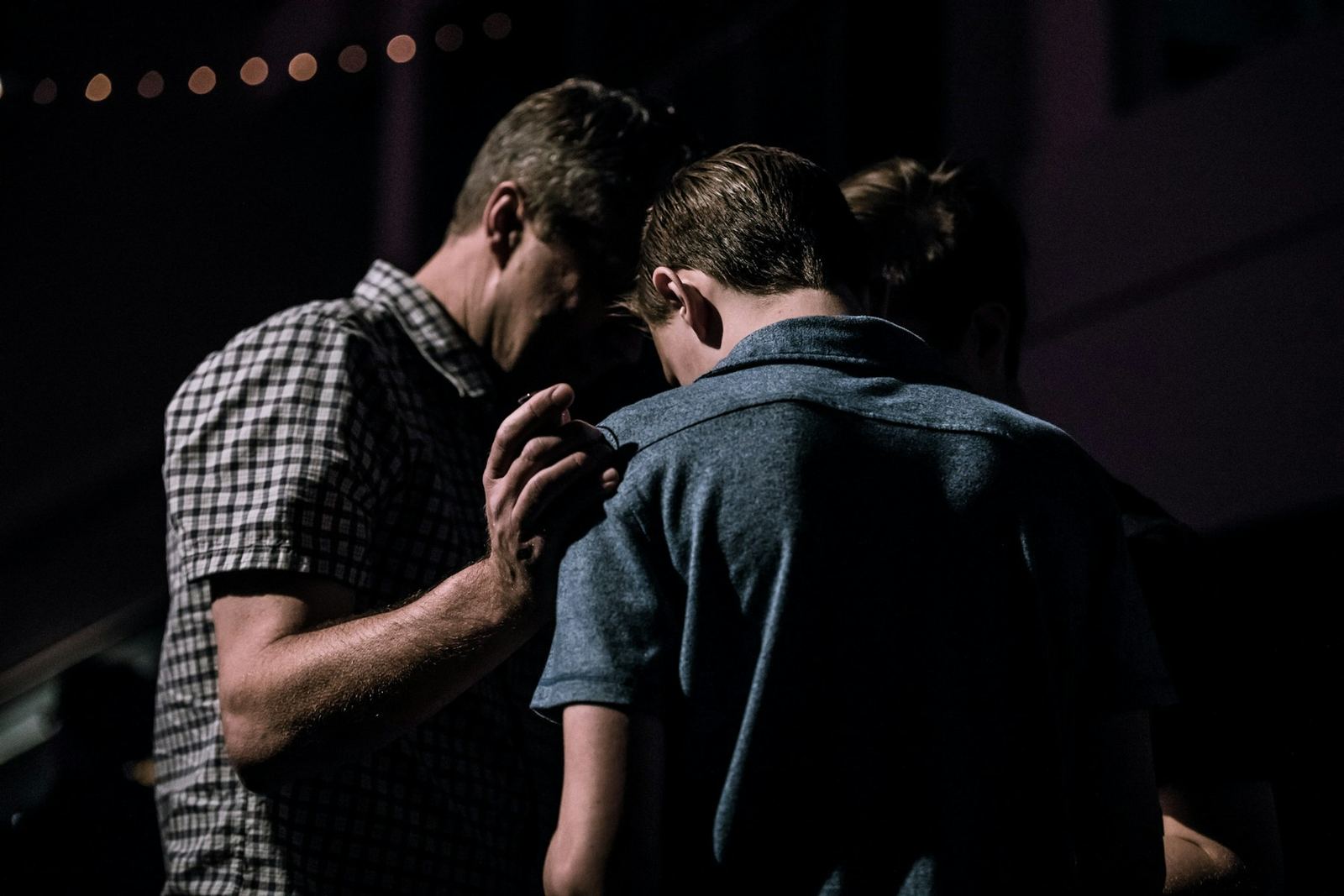 Licensing & Ordination✦Why Every Minister Needs Spiritual Covering and AccountabilityRevive Ministries
Licensing & Ordination
Why Every Minister Needs Spiritual Covering and Accountability
 Prayer✦Focused Prayer: 3 Ways to Keep Your Prayer Time FocusedRevive Ministries
Prayer